


Your lawn might look healthy one week… and suddenly develop brown patches, strange spots, or thinning grass the next.
That’s usually not a coincidence. Lawn diseases are more common than most homeowners realize, especially during warm, humid conditions or periods of stress.
The good news? Most common lawn diseases are treatable when you catch them early and take the right approach.
In this guide, we’ll break down:
- The most common lawn diseases
- How to identify them
- Simple solutions that actually work
- When it’s time to call in the pros
If your lawn isn’t looking its best, this will help you figure out why—and what to do next.
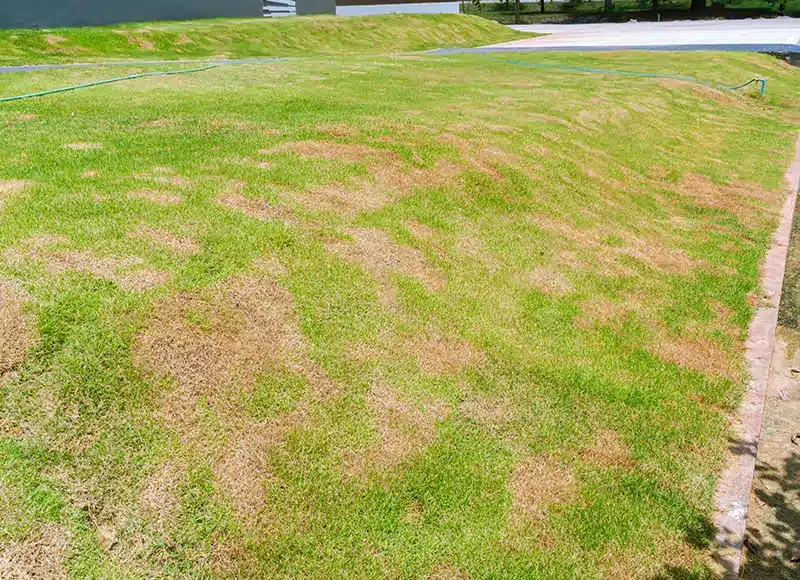
What Causes Lawn Diseases?
Lawn diseases don't just appear out of nowhere. In most cases, they develop when environmental conditions and lawn care habits create the perfect environment for fungus to grow.
Understanding the root cause is the first step in effective lawn disease treatment—because if you only treat the symptoms, the problem usually comes back.
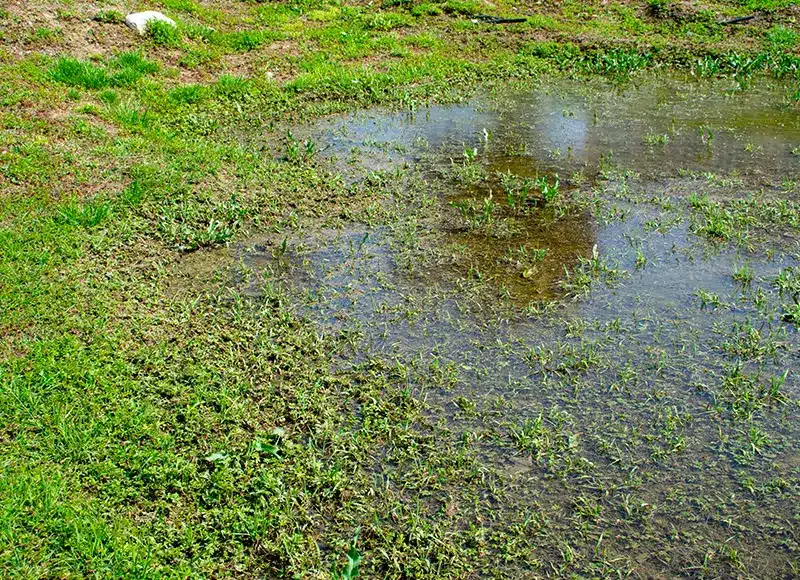
Common Causes of Lawn Diseases
- Overwatering
Too much moisture creates ideal conditions for fungal growth. Lawns that stay wet for long periods are especially vulnerable. - Poor Drainage
Standing water or slow-draining soil can lead to recurring lawn fungus problems, especially in low spots. - Compacted Soil
When soil is compacted, grass roots struggle to breathe and absorb nutrients, weakening the lawn and making it more prone to disease. - Thatch Buildup
A thick layer of thatch traps moisture and prevents proper airflow, creating a breeding ground for fungi. - Improper Mowing Practices
Cutting grass too short or using dull mower blades stresses the lawn and opens the door for disease.
Why This Matters
Most lawn health issues aren't caused by just one factor—it's usually a combination. For example, overwatering + poor drainage + heat can quickly lead to visible damage like brown patches or thinning grass.
That's why long-term lawn disease prevention always focuses on improving overall lawn conditions, not just applying a quick fix.
Most Common Lawn Diseases Homeowners See
Not all lawn damage looks the same—and that's because different lawn diseases show up in different ways. The key to effective lawn disease identification is knowing what to look for early.
Here are some of the most common lawn diseases and how to treat them.
Brown Patch
One of the most common and noticeable lawn fungus problems, especially during hot, humid weather.
What to Look For:
- Large, irregular brown patches
- Grass that looks wilted or "smoked"
- Fast-spreading damage in warm conditions
What Causes It:
- Excess moisture + high temperatures
- Overwatering or poor drainage
How to Treat It:
- Water early in the morning (not at night)
- Reduce watering frequency
- Improve airflow and drainage
- Apply fungicide if the problem spreads
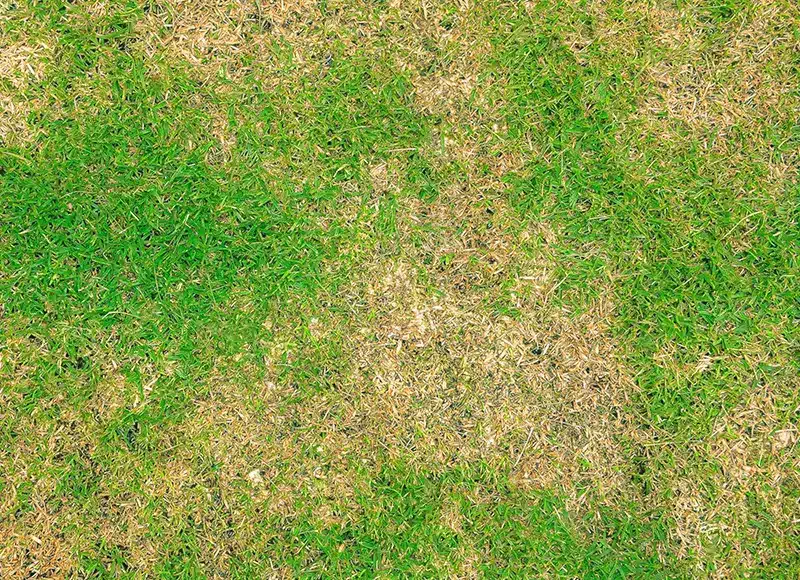
Dollar Spot
This disease shows up as small, scattered spots and is often mistaken for drought stress.
What to Look For:
- Small, round tan or straw-colored spots
- Spots about the size of a silver dollar
- Thin or weakened grass in patches
What Causes It:
- Low nitrogen levels
- Dry soil conditions combined with humidity
How to Treat It:
- Apply a balanced fertilizer
- Water consistently (but not excessively)
- Maintain proper mowing height
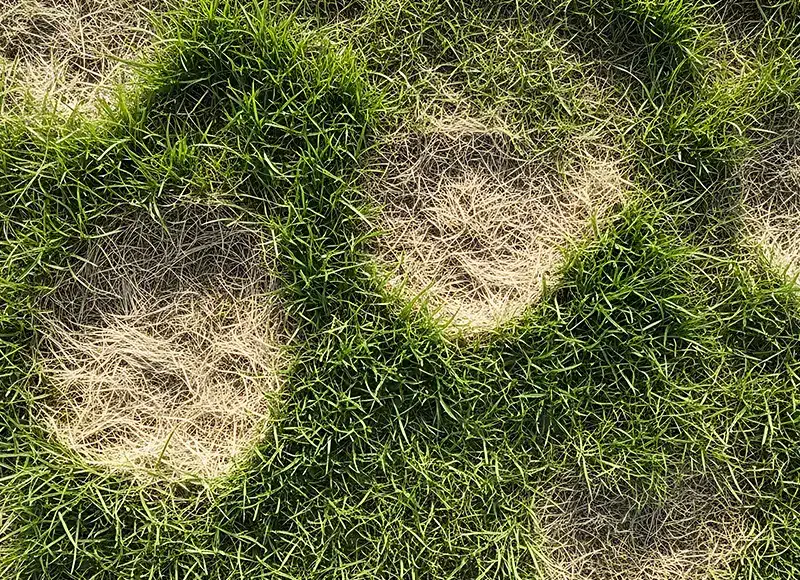
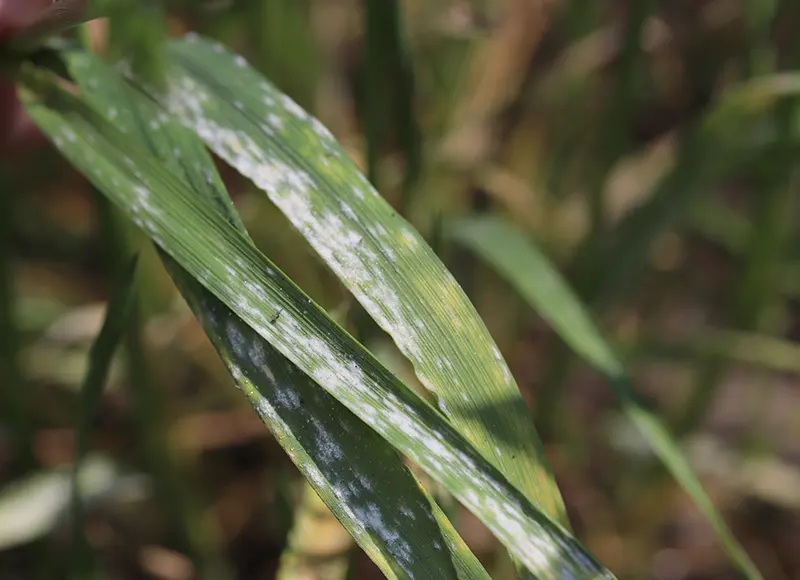
Powdery Mildew
This one is easy to spot thanks to its unique appearance.
What to Look For:
- White or gray powdery coating on grass blades
- Grass looks dusty or faded
- Common in shaded areas
What Causes It:
- Poor air circulation
- Too much shade
- High humidity
How to Treat It:
- Increase sunlight exposure (trim trees if needed)
- Improve airflow
- Avoid overwatering shaded areas
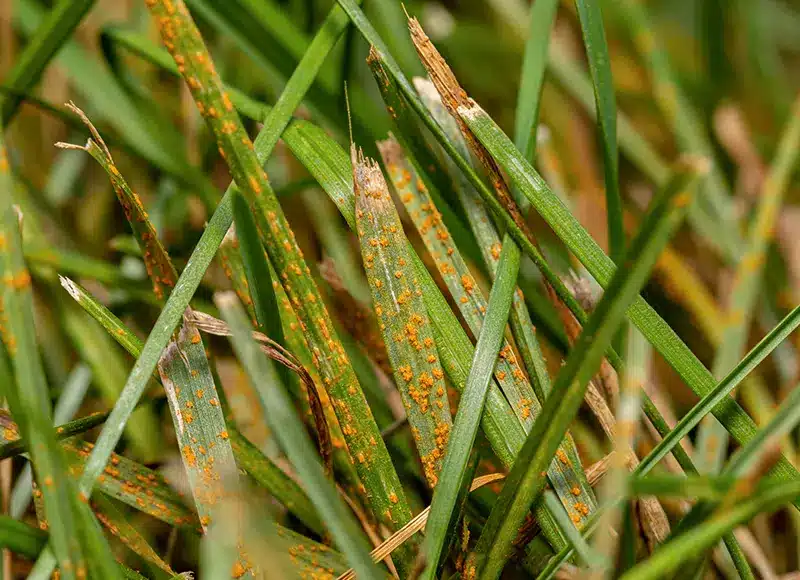
Rust Disease
Rust doesn't usually kill your lawn, but it weakens it and makes it more vulnerable to other issues.
What to Look For:
- Orange or yellow powder on grass blades
- Grass may look thin or stressed
- Powder transfers onto shoes or equipment
What Causes It:
- Weak or slow-growing grass
- Nutrient deficiencies
- Extended moisture on blades
How to Treat It:
- Fertilize to strengthen the lawn
- Mow regularly to remove infected blades
- Water properly to avoid prolonged moisture
Quick Tip
Many grass disease treatment mistakes come from misidentifying the issue. What looks like drought stress or poor soil could actually be a fungal disease—and treating it incorrectly can make things worse.
Quick Comparison: Lawn Disease Symptoms & Fixes
If you're trying to quickly figure out what's going on with your lawn, this table makes lawn disease identification much easier at a glance.
| Disease | Key Symptom | Quick Fix |
|---|---|---|
| Brown Patch | Large brown areas | Reduce watering |
| Dollar Spot | Small round spots | Fertilize lawn |
| Powdery Mildew | White powder coating | Improve airflow |
| Rust Disease | Orange/yellow powder | Feed + mow regularly |
How to Use This Table
- Start with the symptom you see first
- Match it to the closest description
- Apply the quick fix as a starting point
Keep in mind, some lawn care problems can overlap. If your lawn isn't improving after basic treatment, it may need a more targeted lawn fungus treatment plan.
How to Prevent Lawn Diseases Before They Start
The best way to deal with lawn diseases is to stop them before they ever take hold. A healthy, well-maintained lawn is naturally more resistant to fungus, stress, and damage.
The key is consistency. Small improvements in your lawn care routine can make a big difference in long-term lawn disease prevention.
Proven Ways to Prevent Lawn Diseases
- Water the Right Way
Water early in the morning so the grass has time to dry throughout the day. Avoid watering at night, which can leave your lawn damp for too long and promote lawn fungus growth.
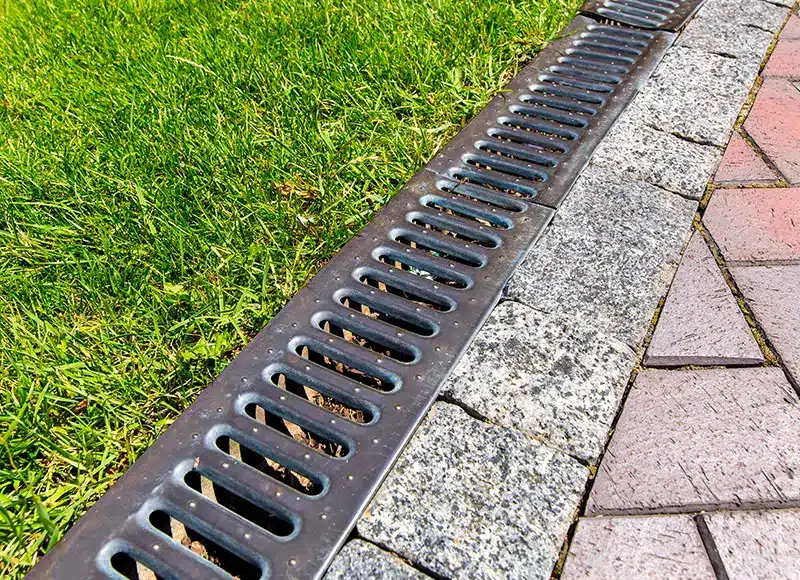
- Improve Lawn Drainage
If water tends to sit on your lawn, it creates the perfect environment for disease. Address low spots and consider solutions that improve drainage. - Aerate Compacted Soil
Core aeration allows air, water, and nutrients to reach the roots. This strengthens your lawn and reduces the risk of grass disease. - Keep Thatch Under Control
Too much thatch traps moisture and blocks airflow. Regular dethatching helps prevent buildup and improves overall lawn health. - Mow Properly and Consistently
Never cut more than one-third of the grass height at a time. Keep mower blades sharp to avoid tearing the grass, which can make it more vulnerable to disease. - Fertilize as Needed
A well-fed lawn is stronger and better able to resist disease. Proper fertilization helps prevent issues like dollar spot and rust disease.
Think Long-Term, Not Just Quick Fixes
Many homeowners focus on reacting to problems, but real results come from proactive care. Consistent maintenance helps reduce the chances of needing intensive lawn fungus treatment later on.
When DIY Lawn Disease Treatment Isn't Enough
Some lawn issues are easy to manage with basic care. But when lawn diseases start spreading or keep coming back, DIY solutions often fall short.
Knowing when to step in—or when to call a professional—can save you time, money, and a lot of frustration.
Signs Your Lawn Needs More Than a DIY Fix
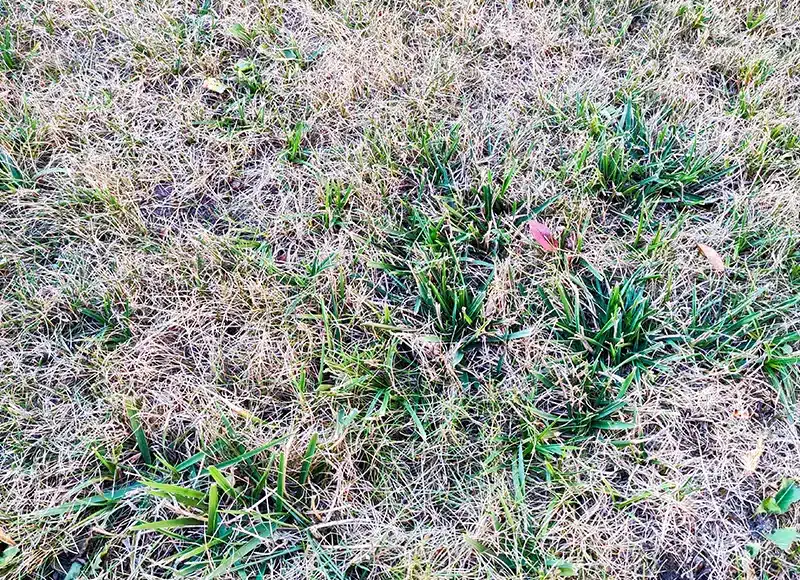
- The problem keeps coming back
You treat it, it improves… then returns a few weeks later. This usually means the root cause hasn’t been addressed. - Spots are spreading quickly
Many lawn fungus problems can move fast, especially in the right conditions. What starts small can take over large areas of your lawn. - You’re not sure what you’re dealing with
Misidentifying a disease is one of the most common mistakes in lawn disease treatment. Using the wrong solution can actually make things worse. - Grass continues thinning or dying
If your lawn isn’t recovering despite watering, mowing, and fertilizing properly, there’s likely a deeper issue.
Why DIY Treatments Often Miss the Mark
Most store-bought treatments focus on symptoms, not the underlying cause. Without addressing things like soil health, drainage, or nutrient balance, the disease can return again and again.
On top of that, different diseases require different approaches. What works for brown patch won’t necessarily work for dollar spot or rust disease.
The Risk of Waiting Too Long
Delaying proper treatment can lead to:
- Larger damaged areas
- More expensive repairs
- Longer recovery time
- Increased risk of permanent lawn damage
Professional Lawn Disease Treatment (Why It Works Better)
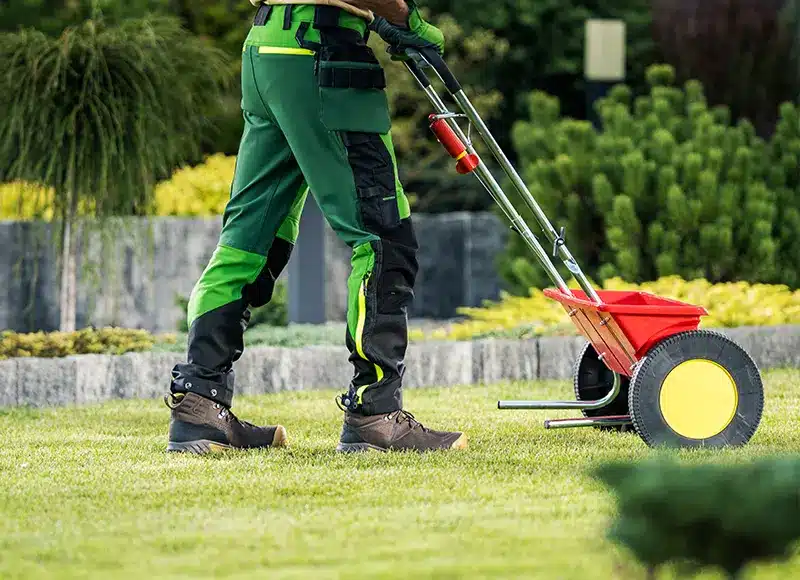
When lawn diseases go beyond surface-level issues, professional treatment makes a noticeable difference—not just in how your lawn looks, but in how it performs long-term.
Instead of guessing, you get a targeted approach that actually solves the problem at its source.
What Professional Lawn Treatment Does Differently
- Accurate Lawn Disease Identification
Not all lawn diseases look obvious. Professionals know how to identify the exact issue and choose the right lawn fungus treatment from the start. - Targeted Treatment Plans
Instead of one-size-fits-all products, treatments are tailored based on your lawn's condition, soil, and environment. - Addresses the Root Cause
It's not just about treating visible damage. Proper care focuses on underlying issues like:- Drainage problems
- Soil compaction
- Nutrient imbalances
- Stronger, Healthier Lawn Over Time
With the right care plan, your lawn becomes more resistant to future grass diseases, reducing the need for repeated treatments.
Why Homeowners Choose Professional Help
- Saves time and trial-and-error
- Prevents recurring lawn problems
- Improves overall lawn health, not just appearance
- Delivers faster, more consistent results
It’s Not Just Treatment—It’s Prevention
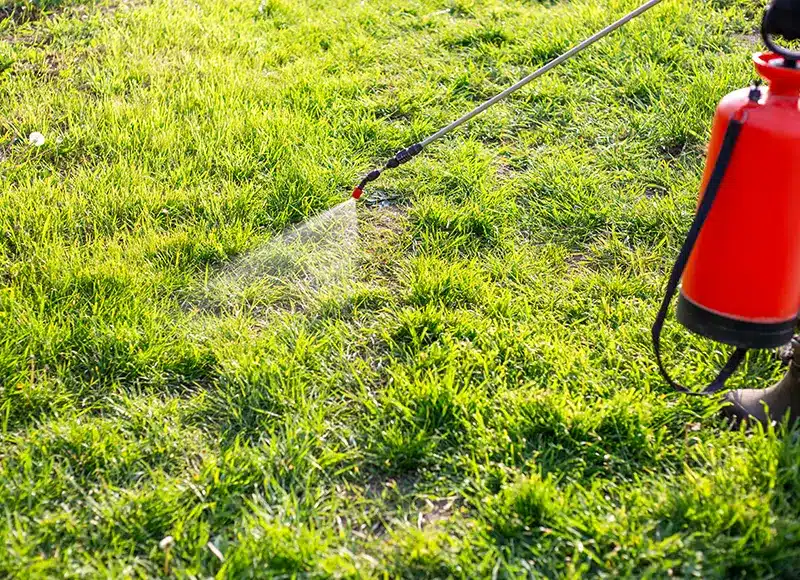
One of the biggest advantages of professional service is ongoing care. Instead of reacting to problems, you stay ahead of them with proactive lawn disease prevention strategies.
Get Expert Help Before Lawn Disease Spreads
Lawn diseases don’t fix themselves—and the longer they sit, the worse they usually get.
What starts as a few small spots can quickly turn into widespread damage, especially during warm, humid conditions. Acting early is the difference between a quick recovery and a costly repair.
Don’t Wait Until It Gets Worse
If you’re noticing:
- Brown or thinning patches
- Discoloration spreading across your lawn
- Signs of lawn fungus that aren’t improving
…it’s time to take action.
Let Marshall’s Lawn Take a Look
At Marshall’s Lawn Service, we don’t just treat symptoms—we identify the root cause and build a plan that protects your lawn long-term.
With professional lawn disease treatment and proven prevention strategies, we help you:
- Stop the spread quickly
- Restore your lawn’s health
- Prevent future outbreaks
Schedule Your Lawn Evaluation Today
The sooner you address lawn diseases, the easier they are to control.
Get ahead of the problem now and let our team bring your lawn back to life.
FAQs About Lawn Diseases
What is the most common lawn disease?
One of the most common lawn diseases is brown patch, especially during hot and humid weather. It spreads quickly and causes large brown areas, but it can be managed with proper watering and lawn fungus treatment.
Can grass recover from lawn disease?
Yes, in many cases grass can recover with the right care. Early lawn disease treatment, proper watering, and fertilization help restore healthy growth. Severe damage may require overseeding or professional help.
How fast do lawn diseases spread?
Some lawn fungus problems can spread in just a few days under the right conditions, especially with excess moisture and heat. That’s why early detection and treatment are so important.
Do I need fungicide for lawn disease?
Not always. Some minor issues can be corrected by improving lawn care practices like watering and mowing. However, more advanced grass disease treatment may require fungicides, especially if the disease is spreading.
Will reseeding fix lawn disease?
Reseeding alone won’t fix the problem if the underlying cause isn’t addressed. It’s important to treat the disease first, then repair damaged areas to ensure healthy growth.
What’s the best way to prevent lawn diseases?
Consistent lawn care is key. Proper watering, aeration, fertilization, and drainage all play a role in effective lawn disease prevention.