


If your lawn feels bumpy underfoot, holds water in small dips, or stays thin even with regular care, the problem may be closer to the soil surface than you think.
Top dressing can help correct certain surface-level issues by adding a thin layer of compatible soil or organic material over the existing grass. But it is not a cure-all. Similar symptoms can come from compaction, disease, drainage problems, or poor growing conditions.
Knowing the signs your lawn needs top dressing can help you choose the right next step without covering up a deeper problem.
What Is Lawn Top Dressing?
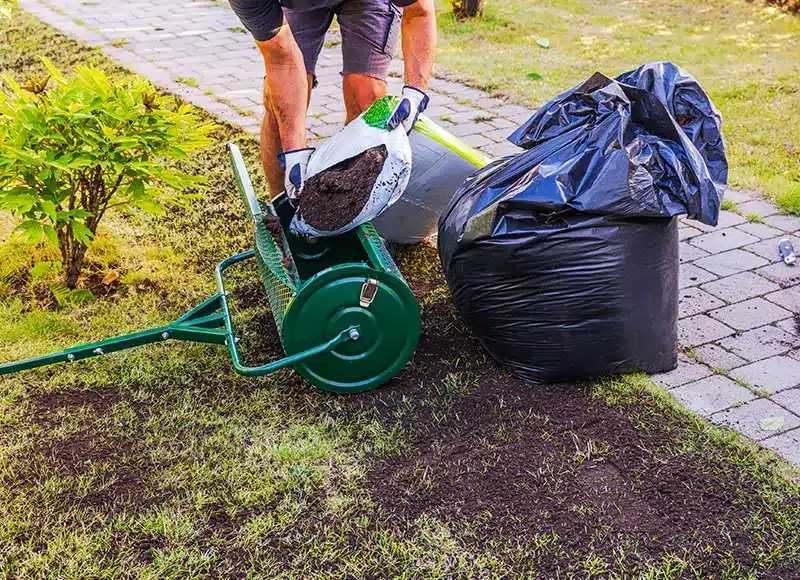
Lawn top dressing is the process of spreading a thin layer of material over existing grass. Depending on the lawn, that material may include screened topsoil, compost, or a carefully selected mixture that works with the soil already in place.
The layer is typically light enough for much of the grass to remain visible. As the material settles between the blades, it can smooth minor surface irregularities, add organic matter, and support certain lawn renovation efforts.
Material and depth matter. Applying too much can smother healthy grass, while using soil that does not match the existing ground can create layers that interfere with water movement instead of improving it.
6 Signs Your Lawn May Benefit From Top Dressing
A single symptom does not always confirm that your lawn needs top dressing. Look at the size of the affected area, the condition of the soil, and whether another lawn problem could be responsible.
1. Your Lawn Has Minor Bumps and Uneven Areas
Small surface irregularities can develop as soil settles, grass grows unevenly, or lawn activity shifts the ground. Light top dressing can gradually fill shallow dips and create a smoother surface.
Large depressions, deep ruts, or widespread grading problems need more than a thin layer of soil. Those issues may require lawn leveling or drainage correction.
2. Small Low Spots Collect Water
If water consistently gathers in a few shallow dips after rain, top dressing may help bring those areas closer to the surrounding grade.
The key word is “small.” Widespread standing water, saturated clay, or runoff toward your home points to a larger drainage problem. Adding material to the surface without correcting the cause could simply move the water somewhere else.
3. Soil Has Washed Away From Parts of the Lawn
Rain, runoff, and gradual settling can remove small amounts of surface soil, sometimes leaving grass crowns or shallow turf roots exposed. Carefully replacing that lost soil may help protect the grass and restore the area.
You will still need to identify why the soil disappeared. Top dressing will not stop active erosion, and large exposed tree roots should not simply be buried.
4. Grass Remains Thin Despite Consistent Care
Thin turf may benefit from top dressing when poor surface conditions are preventing healthy growth. A light application can also support lawn overseeding by improving contact between seed and soil.
However, thin grass can also result from shade, disease, insects, watering problems, or the wrong grass variety. Those causes must be addressed before adding more soil.
5. The Soil Surface Feels Hard or Crusted
Hard soil, runoff, and shallow root growth may indicate compaction. Top dressing can sometimes support soil improvement, but it does not break apart deeply compacted ground by itself.
Professional lawn aeration is usually the more direct response. Aeration opens the soil so air, water, and nutrients can reach the root zone. A compatible top-dressing material may then be applied when appropriate.
6. A Developing Thatch Layer Is Affecting Lawn Health
A modest layer of thatch can protect the soil, but excessive buildup can interfere with water, air, and nutrient movement. Light top dressing may help soil microorganisms reach and break down a developing thatch layer.
If the lawn feels unusually spongy or the thatch is already thick, top dressing may not be enough. Core aeration, verticutting, or dethatching may be the better treatment.
Top Dressing or Another Lawn Treatment?
Top dressing works best on minor surface-level concerns. When the problem extends deeper into the soil or involves significant turf damage, another treatment may be more effective.
| Lawn condition | Likely solution | Important note |
| Minor bumps or shallow dips | Top dressing | Apply material gradually |
| Hard, compacted clay | Core aeration | Top dressing alone offers limited relief |
| Thin or bare turf | Overseeding | Correct the underlying cause first |
| Thick, spongy thatch | Aeration or dethatching | Avoid covering excessive buildup |
Some lawns benefit from more than one treatment. For example, a compacted and thinning lawn may need aeration followed by overseeding rather than top dressing alone. The right approach depends on what is happening both above and below the soil surface.
A Quick Checklist Before Top Dressing Your Lawn
Before adding anything to your lawn, check whether:
- The problem is limited to the soil surface.
- The bumps or dips are shallow and localized.
- Disease, pests, shade, and watering issues have been ruled out.
- The proposed material is compatible with your existing soil.
- The grass is actively growing and able to recover.
If you cannot confidently answer these questions, start with a professional lawn assessment.
Why Soil, Grass Type, and Timing Matter
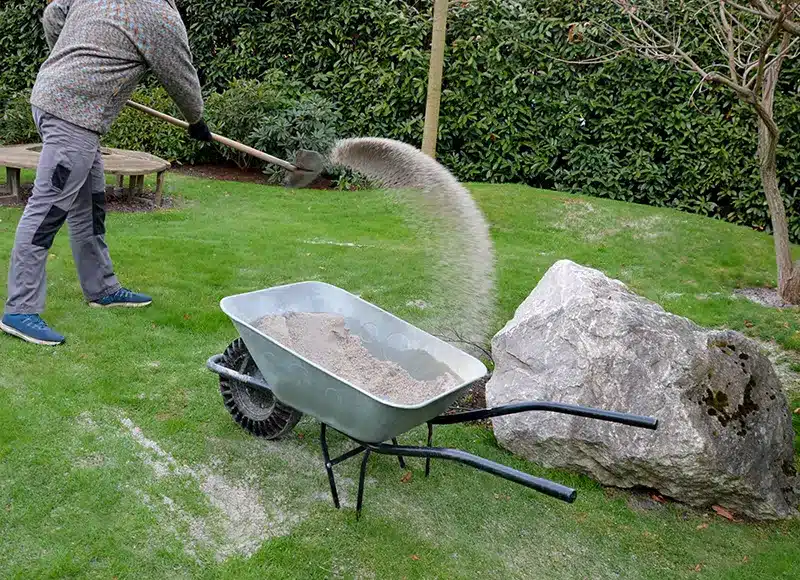
Top-dressing material should be compatible with the soil already beneath your lawn. A sharply different material can create a separate layer that slows water movement. Sand alone, for example, is not a reliable fix for heavy clay soil.
Timing matters, too. Grass should be actively growing so it can recover and grow through the new layer. Early fall is often a good window for cool-season lawns around Kansas City, especially when top dressing is paired with aeration or overseeding. However, the best timing and material depend on your grass type, soil condition, and the purpose of the treatment.
FAQs About Lawn Top Dressing
Can top dressing fix lawn drainage problems?
It may correct shallow low spots, but widespread drainage or heavy clay problems need a broader solution.
Is top dressing the same as lawn aeration?
No. Aeration removes soil cores to relieve compaction, while top dressing adds material to the surface.
Can you top dress and overseed at the same time?
Yes, when the material, depth, and timing are appropriate for the lawn.
How often should a home lawn be top dressed?
Only when needed. Routine annual top dressing is rarely necessary for residential lawns.